We've moved on from the state of Sonora - but the incredible landscapes and the warm people that we met during our time there over the last two weeks have left a lasting impression. Here's a few of our favorite pix that weren't included in previous posts.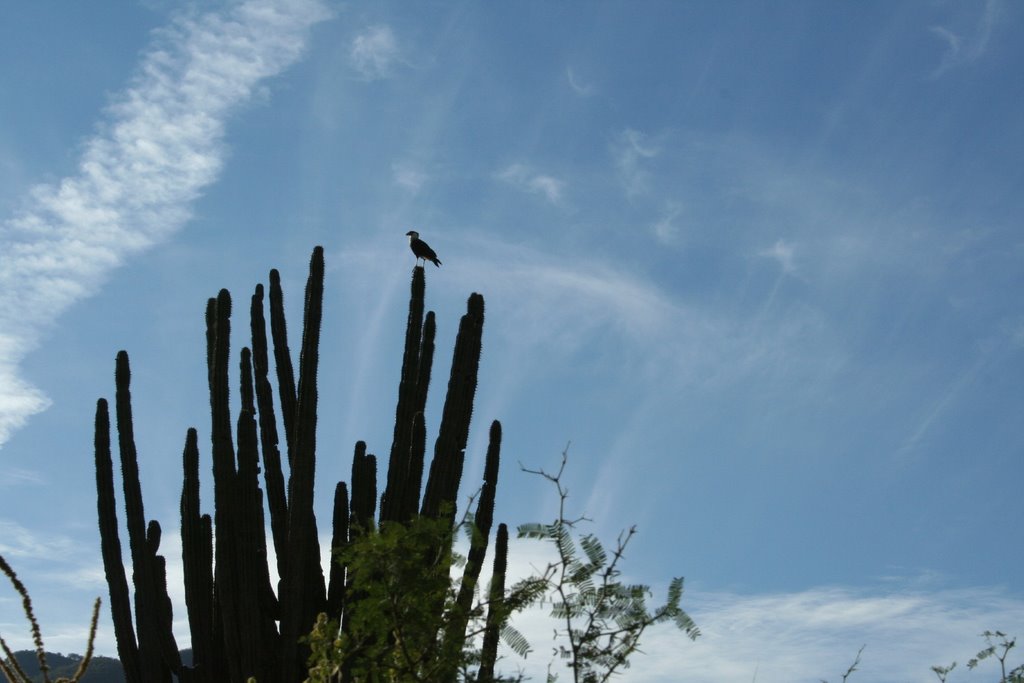
daughter of a chiltepin farmer (the irony here is that chiltepin are nearly imppossible to cultivate in any kind of density) - rolling out the day's flour tortillas with a beer bottle. This is just about the southern limit to finding flour tortillas made at home in any sort of significant quantity. Corn rules outside of Sonora and the other border states.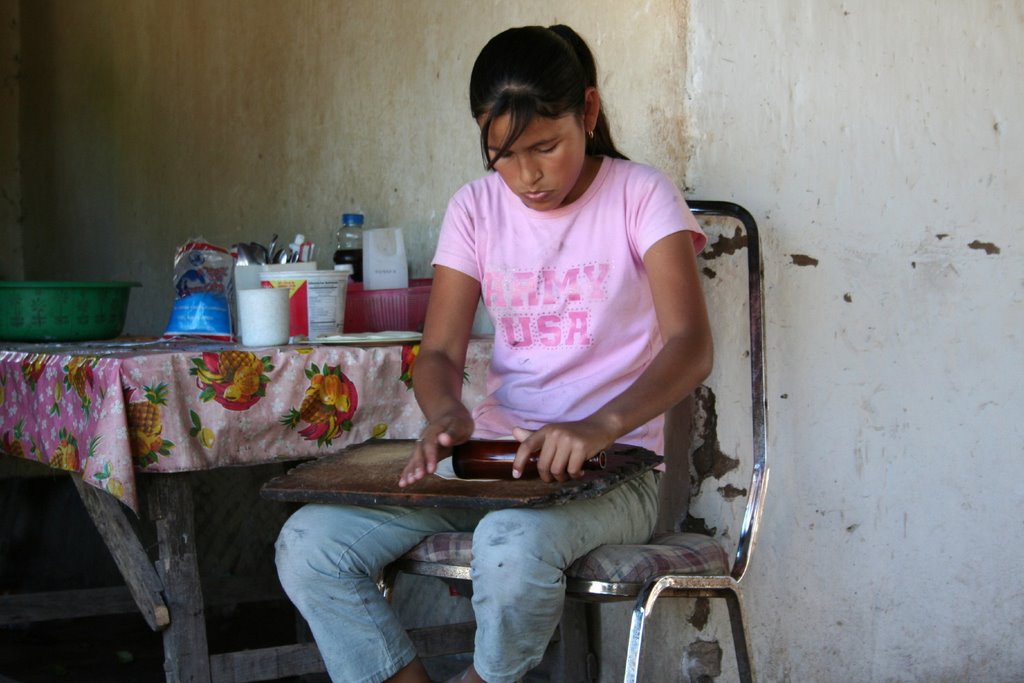
the feet and sandals (made from tires) of Luis Reynaldo, a Guarijillo anciano who served as our a chiltepin plant-finding guide for part of a day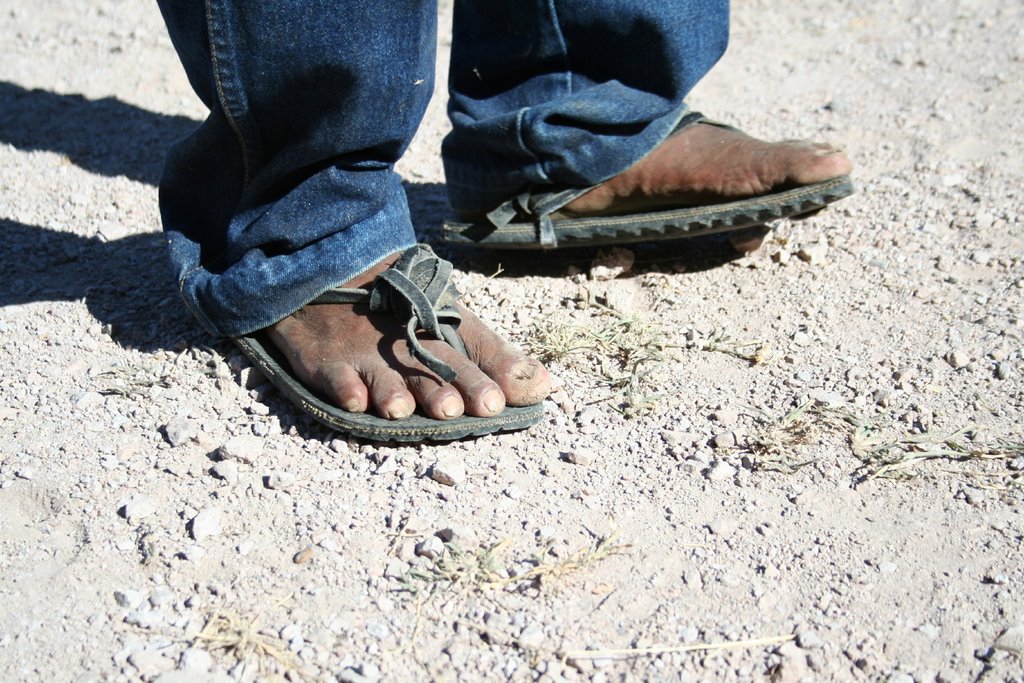
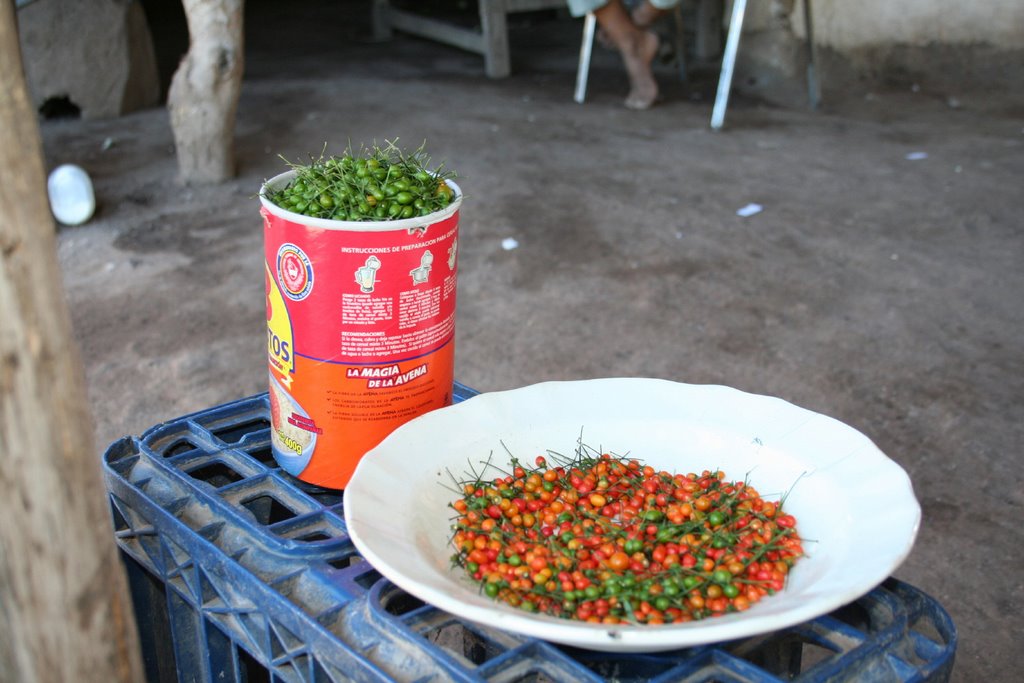
Alejandro selling green chiltepin at the toll booth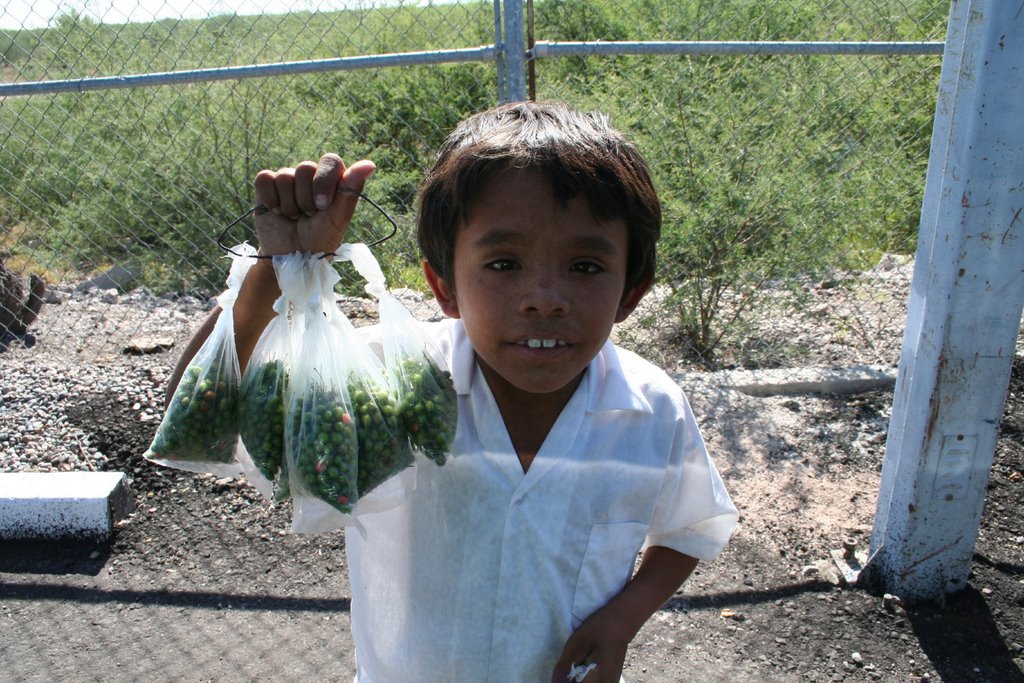
One of the bays in San Carlos - we wanted to see what happens when the desert meets the sea
"Los pillares" - a rock formation 2 hrs north of Alamos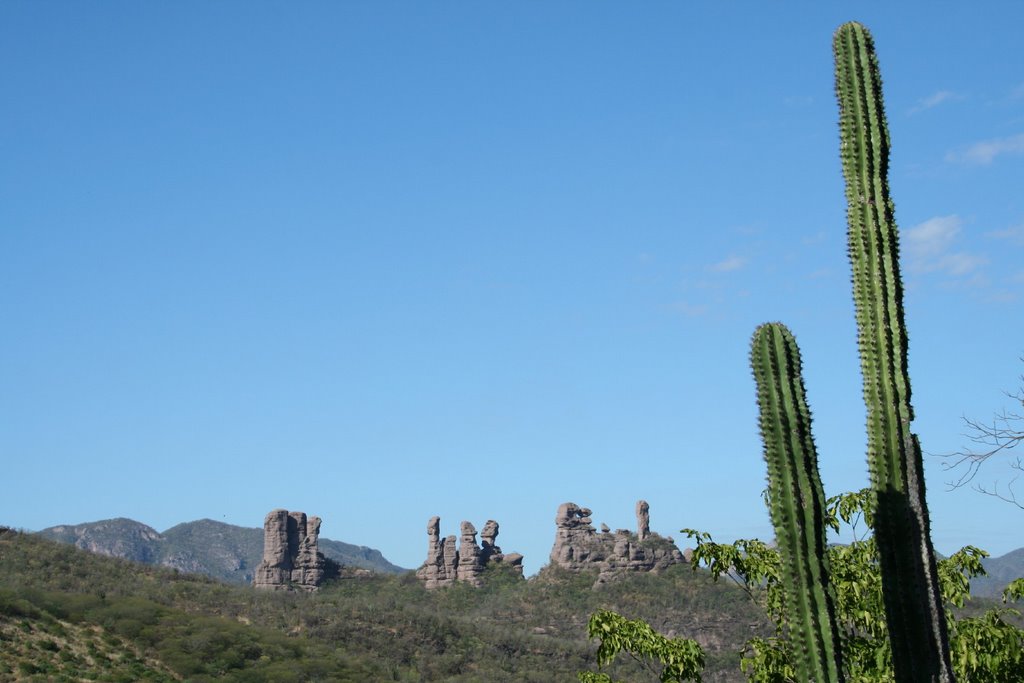
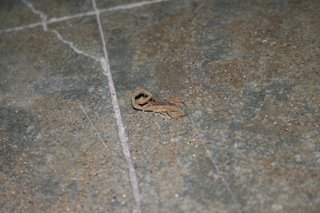
A wildlife sighting - this taratunla was so big it left tracks in the dirt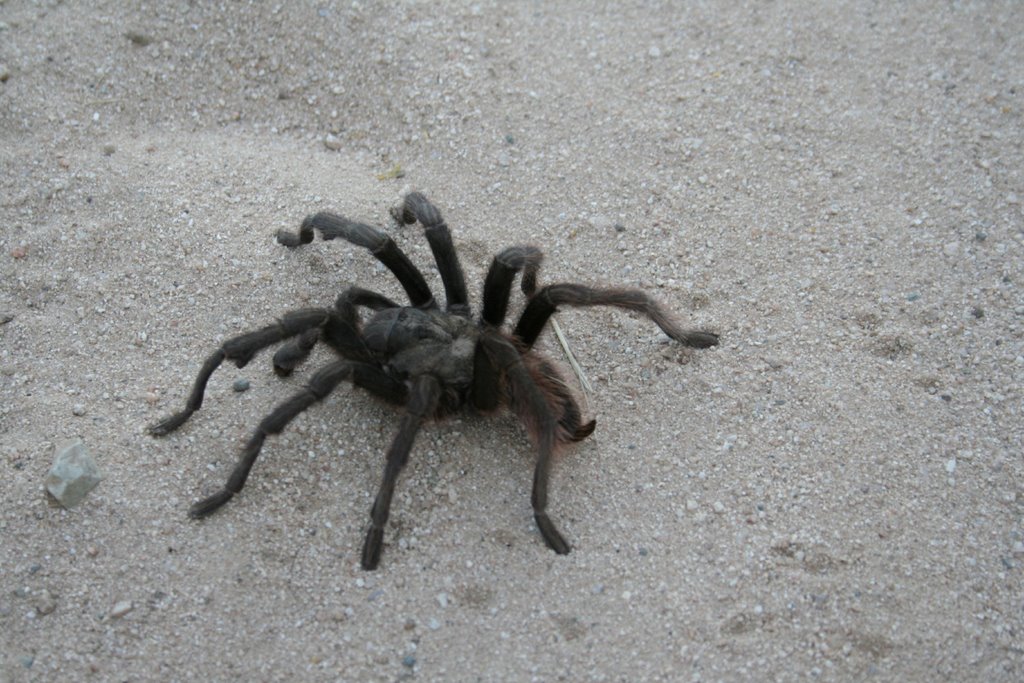
An iron cross in the Alamos cemetary from early 1700s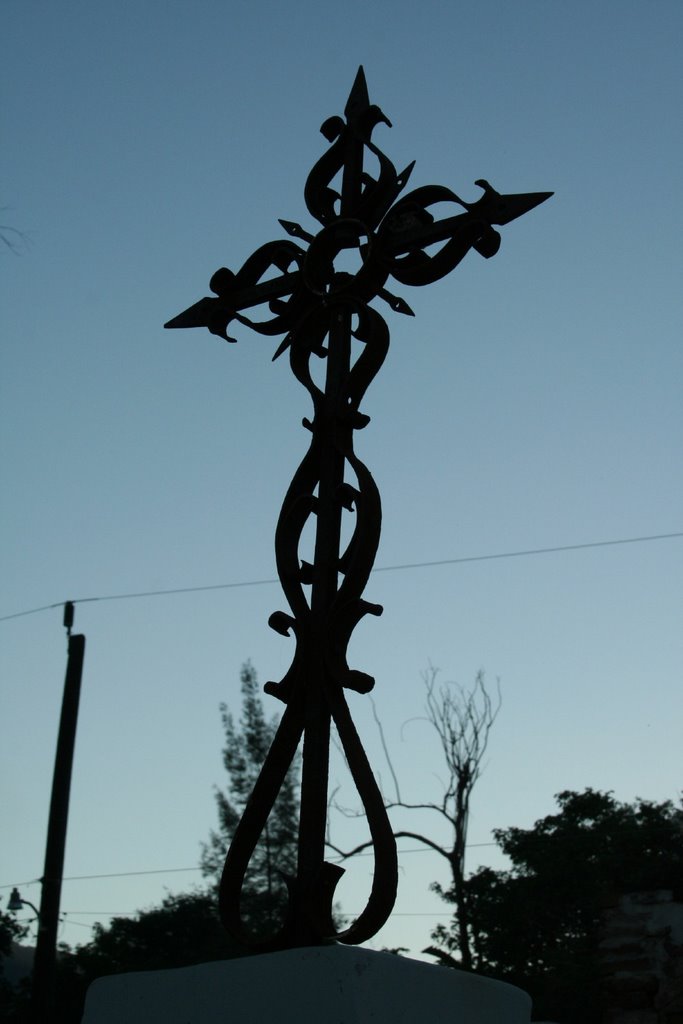
Tuesday, October 31, 2006
Lingering images of Sonora
...Cara-cara bird (in the raptor family) sitting atop an elhecho cactus early in the morning


Wednesday, October 25, 2006
Semi-Squatting in Alamos: Chiltepin, Scorpions and Vaqueros
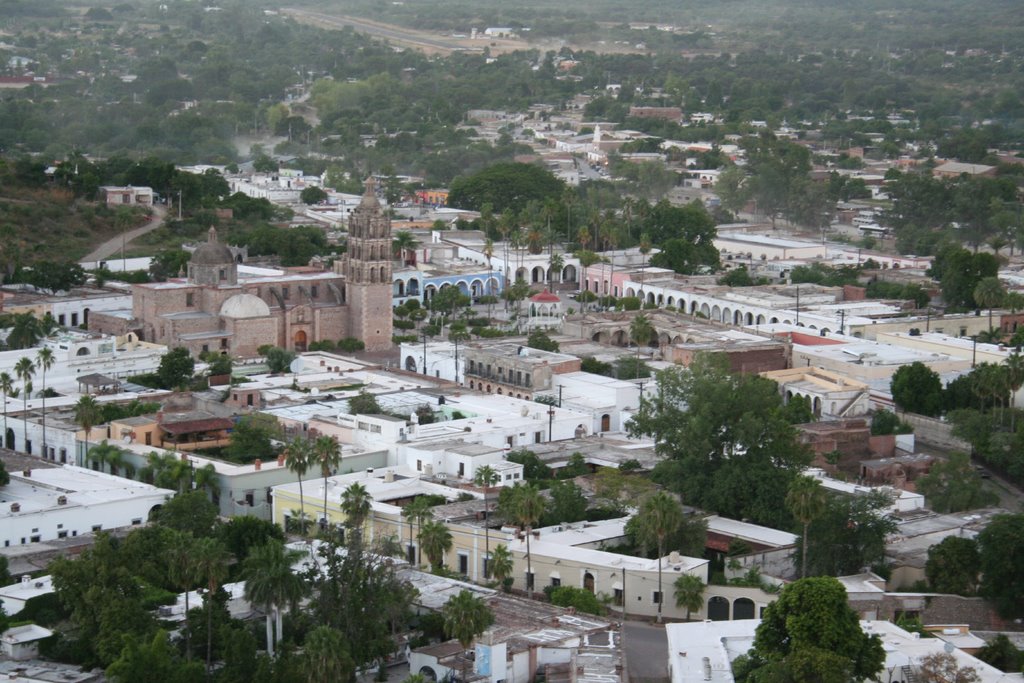
Not 15 minutes into town, we tracked down the home/store of a family who buys and sells chiltepin (referred to us by another conctact who had worked in the area previously). Cold calling in a way, we showed up, were invited to have a chat on the porch, and it turned out that la familia Hurtado was indeed willing and able to help us to get oriented and refer us to someone who could guide us into the hills around the city to hunt for the wild chiltepin plants themselves. In addition, rather than paying for a luxury gringo hotel, Don Oracio Hurtado and his wife Lupe suggested that we could stay, for a minimal price, in the vacant apartment next door (owned by extended family of theirs). At the time, this seemed like a great idea. We “camped” on the bare concrete floors, tried to ignore the various six and eight legged residents and joked that this must be what it is like to be a squatter.
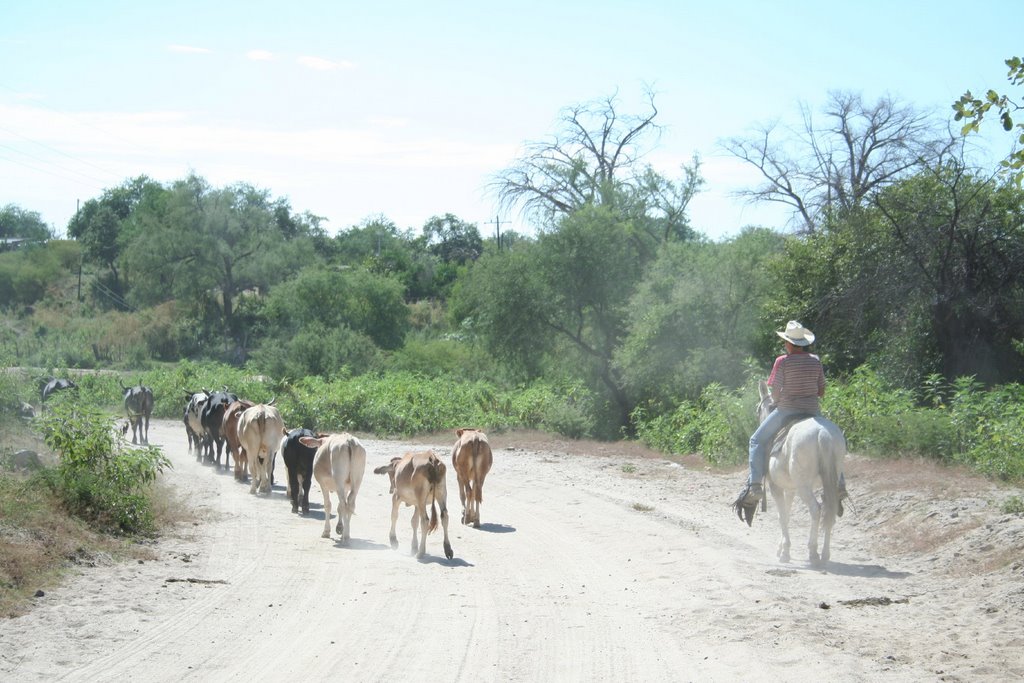
Over the next few days we headed north each morning on dusty roads into the lands of the Guaijiro, one of the smallest of the 7 indigenous tribes of Sonora. The Guaijiro pick and harvest chiltepin during this time of year to supplement their cattle-based/small farm incomes. At each little town that we came to we were told that , oh yes, there are chiltepin in these mountains, but they’re not near here, they’re “mas alla” - with emphatic gestures to the mountains further to the north. Poco a poco, with various guides on different days, we managed to collect samples from nearly 30 plants – some of which were 4 hours from Alamos, accessed by a one-lane-rock-strewn-goat-trail.

Subscribe to:
Posts (Atom)
